From the X archive · July 28, 2026
The Body as a Black Box
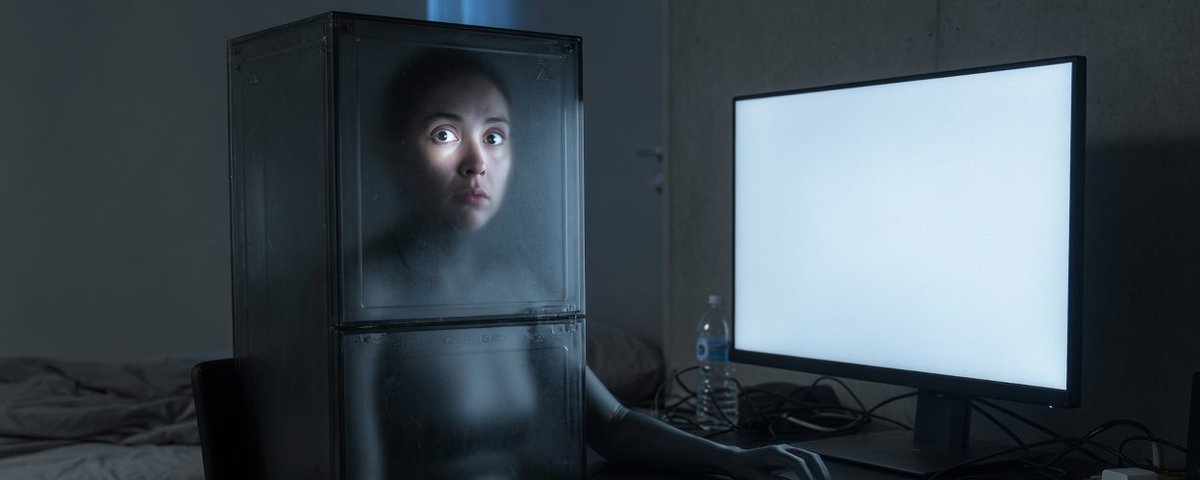
There is a moment in modern healthcare when the patient stops being a 'person with a body' and becomes a 'user of a product'. It rarely announces itself. No villain monologue. No smoke-filled room. Just a quiet reordering of what counts as serious.
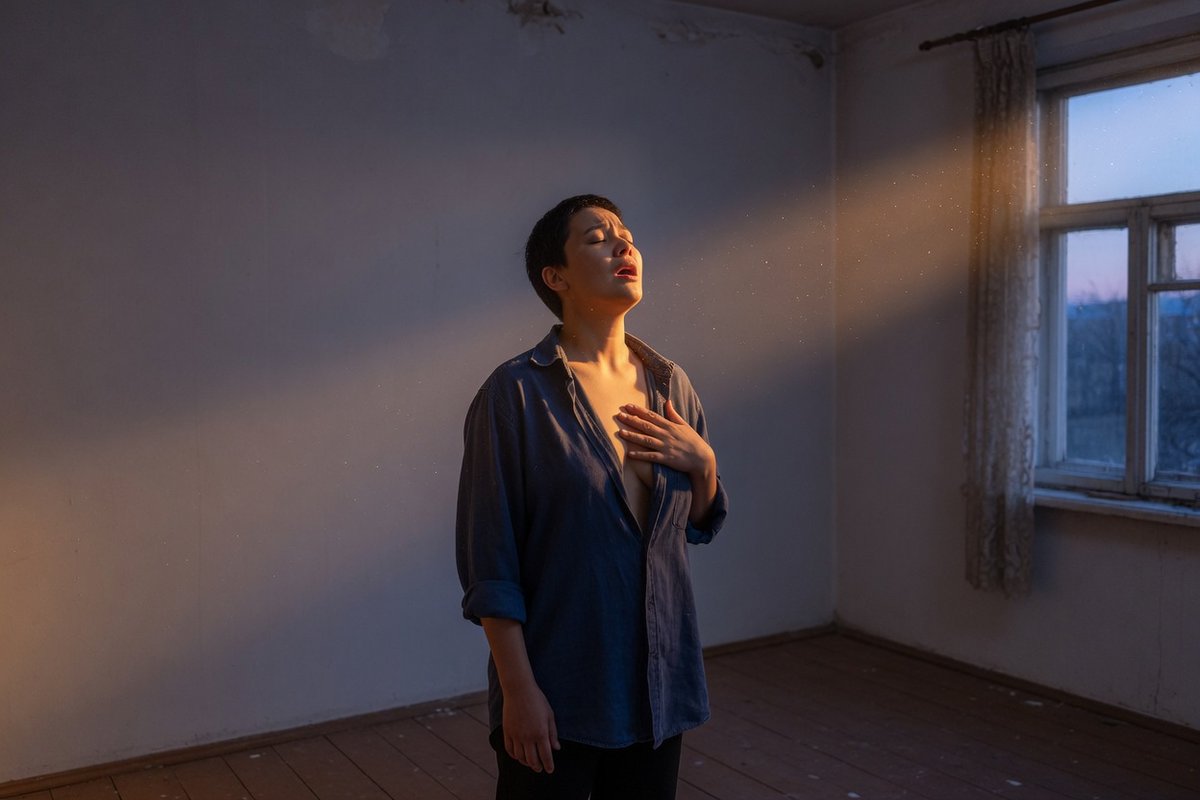
If something is free, endogenous, and slightly embarrassing in its simplicity—breath, sleep, walking, singing, touch, silence—it gets filed under lifestyle. If something can be packaged, metered, branded, reimbursed, and updated, it gets filed under treatment. Over time that filing system does more than allocate money. It trains a civilization in what it is allowed to know about itself.
That is the real scandal. Not that medicine invents tools. Tools are fine. Casts are fine. Antibiotics are fine. Some people need devices the way some people need crutches. The scandal is the inversion by which the crutch becomes the default image of a leg.
Consider the crude analogy, because it is crude on purpose. A civilization still knows, in principle, that human beings can reach orgasm without equipment. But imagine if most of the institutional energy went into teaching that climax is unreliable, incomplete, unsafe, or non-clinical unless mediated by a device and a protocol. Nobody would need to outlaw the natural function. They would only need to demote it—make it sound amateur, anecdotal, insufficiently rigorous—while elevating the intermediary as adulthood.
A lot of contemporary “wellness medicine” has that shape. Sonic gadgets for fog and trauma. Sleep stacks. Mood stacks. Recovery kits. Protocol identity. Some of it helps people who are genuinely stuck. That is not the dispute. The dispute is hierarchy. A tool that rescues someone who cannot use the free path is engineering. A culture that makes the free path look unserious while the product looks scientific is something else: a permission structure wearing a white coat.
The body already ships with multi-channel couplers. Breath changes autonomic state. Voice couples breath, larynx, bone conduction, hearing, and intention in a single act. Sleep restores more systems than any boutique frequency can honestly claim in a marketing deck. Movement, light, food timing, relationship, and—if one is historically literate rather than fashionably allergic to old language—lament, prayer, and song have been how human beings re-enter themselves for a very long time. These are not automatically “woo” because they do not come in a box. They are low-parameter paths. Fewer free variables. The person remains the instrument.
A device introduces what might be called an X-variable abstraction: frequency, dose, mode, schedule, brand, firmware, subscription. Sometimes that abstraction is the only workable path. Hospital bed. Injury. Panic freeze. No agency yet. In those cases the machine is mercy. Most of the time, for most people, some free channel still exists. Honest ranking is therefore boring and adult. Prefer endogenous coupling when available. Use tools as a bridge when not. Do not sell the bridge as the destination.
Medicine goes bad when it forgets that order—not always out of malice, often out of incentives. Natural function does not IPO. Devices do. Standardized protocols survive liability theater better than “try singing.” Papers, clinics, and key opinion leaders drift toward what can be metered. The free path is not banned. It is obfuscated: under-taught, under-funded, rhetorically softened until it sounds like advice your grandmother would give, while the product sounds like care.
That is how black-box ignorance is manufactured. First there is agency: I can feel the lever, move it, and know I moved it. Then assisted agency: a scaffold while capacity returns. Then rented function: the scaffold becomes the default and the free path becomes soft. Then the black box: I know only the interface—an app, a dose, a device mode—while the internals of my own organism are opaque. Finally agency amnesia: “I don’t know how to fix this without the product” becomes a normal description of adulthood.
This is not the claim that people are getting dumber. It is worse. People become API clients of their own bodies. Someone else holds the documentation. You hold a subscription. Input: symptom. Output: buy, toggle, comply. Missing layer: a working map of how you work and what you can still do without permission. Ignorance is not the primordial condition of the patient. Ignorance is often the downstream product of a pipeline optimized for intermediaries.
You do not need cartoon villains for this to happen. Selection pressure is enough. Real disease and real trauma create legitimate need; markets then generalize the product to everyone who can be made to feel incomplete without it. UI culture trains people to treat organisms like closed software. Shame at not knowing keeps people from practicing the free path long enough to trust it. Individuals can mean well and still participate in a system that slowly removes literacy from the population it claims to serve.
The civilizational cost shows up late. A society that can operate gadgets but cannot operate breath, sleep, voice, walking, boundaries, or attention is fragile in a specific way. It works until the boom: supply chain failure, clinic denial, app outage, insurance cliff, political disruption, ordinary poverty. A black-box population has no internal manual. It has only vendors.
None of this is an argument against medicine. Broken legs need casts. Infections need drugs. Some trauma needs scaffolding. Denying that is cosplay and cruelty in equal measure. The reverse-protocol is narrower and more serious. Keep at least one channel where you are still the instrument, not the customer. If you can sing, do not let a transducer become your first language for regulation. If you can walk, do not buy another recovery toy before you use the legs you already own. If you can sleep, protect sleep before you stack novelty. If you can tell the truth about what you feel, tell it before you outsource your nervous system to a brand.
Use tools when you cannot. Do not let tools teach your children that they never could.
Big medicine’s quiet sin is not invention. Invention is human. The quiet sin is pedagogical: teaching people that the body is a broken appliance so that the tool can be the product rather than the exception. Do that long enough and humanity does not merely lose access to free remedies. It loses literacy in its own agency and learns to live inside a black box it no longer knows how to open.
Agency is not a vibe. It is a form of knowledge. And knowledge of that kind is exactly what intermediary culture cannot afford for you to keep.